

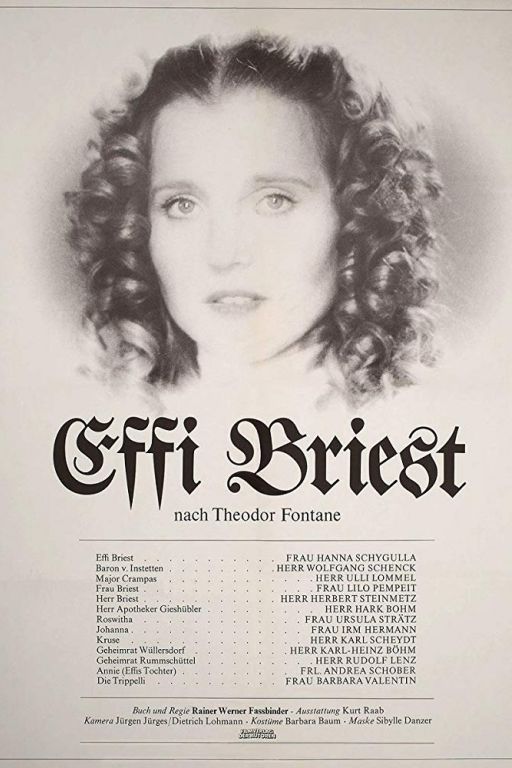
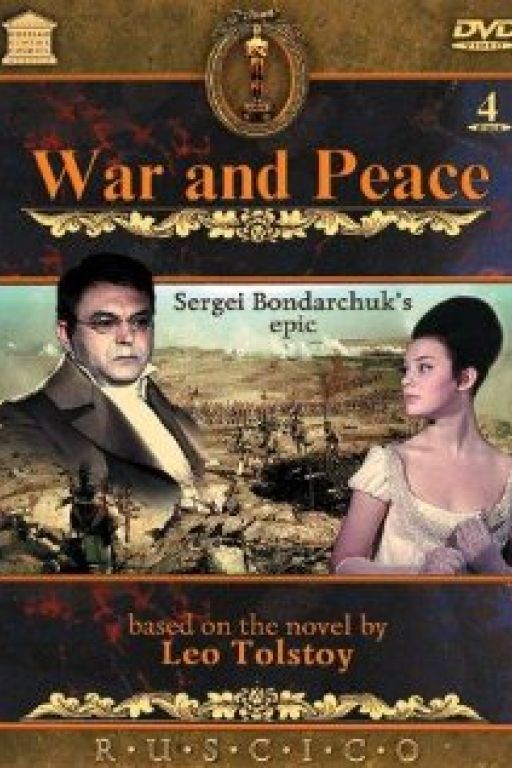
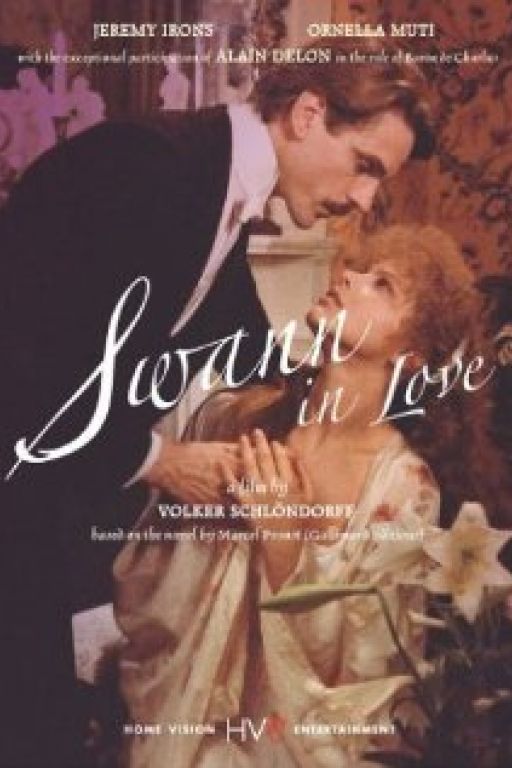
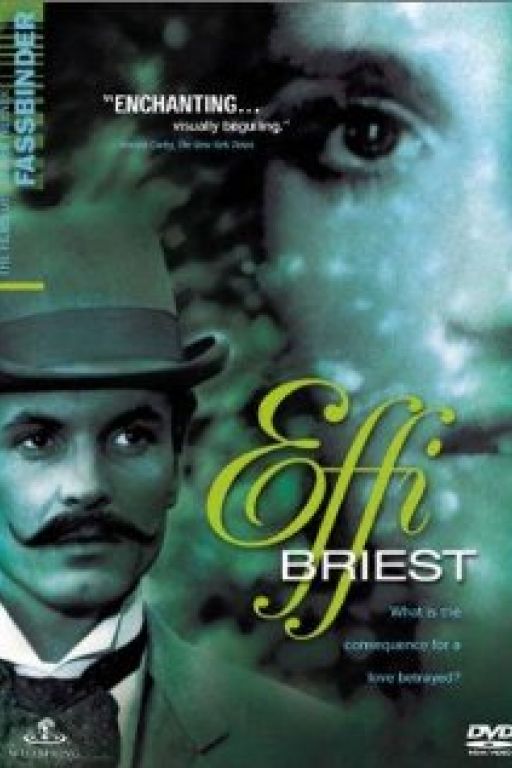
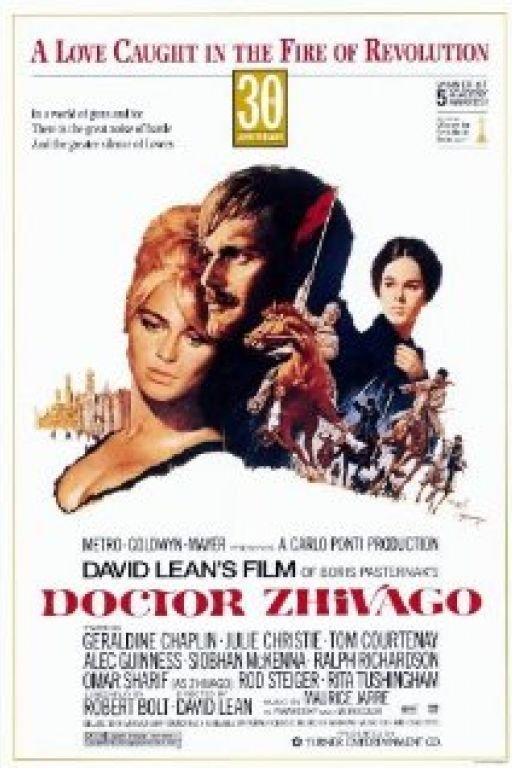
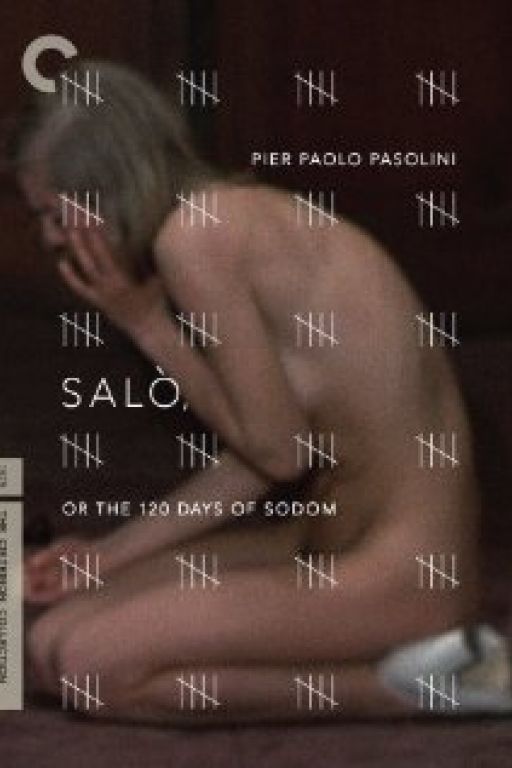
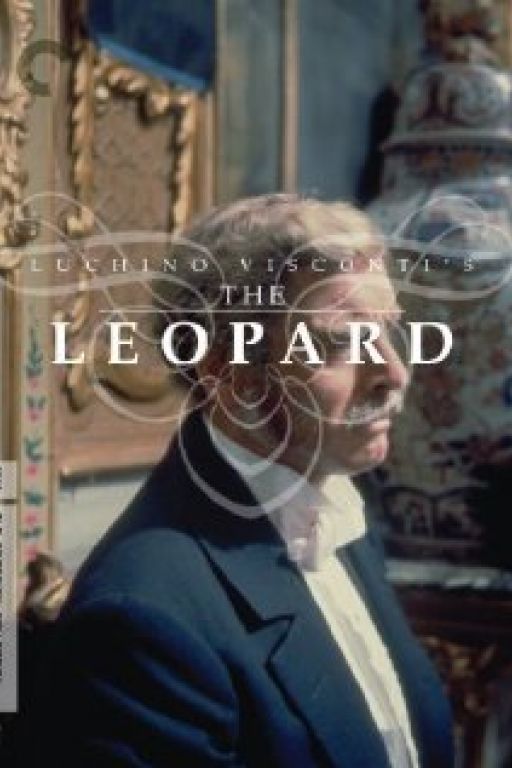
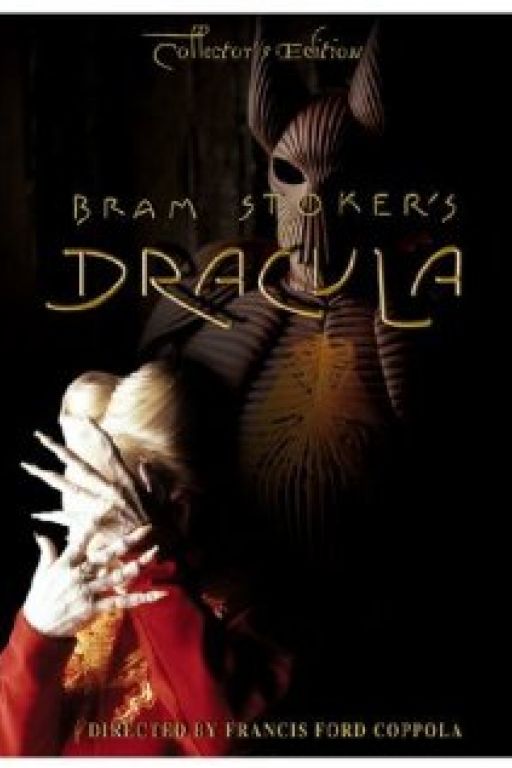
Die Verfilmung von Klassikern der Literatur ist so eine Sache. Jeder hat seine eigenen Bilder im Kopf und oft sind die Bücher so umfangreich, dass man das philosophische Fundament zu einem erzählerischen Skelett zusammen kürzt. Volker Schlöndorff ist prädestiniert für piefige Literaturverfilmungen in Serie, hat aber mit seiner Adaption von Musils der junge Törless den ersten Erfolg für den jungen deutschen Film 1965 verbucht. Viscontis Der Leopard (Il gattopardo) ist sein Meisterwerk, er stellt die historische Situation Siziliens während der Einigung mit Italien als Parabel des Fortschritts contra des Konservativismus dar. Burt Lancaster verkörpert die Tradition und die Seele Siziliens, illusionslos und melancholisch wendet er sich vom Neuen ab, um zu sterben. Krieg und Frieden von Sergej Bondatschuk ist der einmalige Versuche, Literatur nahezu wortgetreu abzufilmen und deren Erzählstruktur zu übernehmen. Die sowjetische Fassung ist deshalb sieben Stunden lang und angeblich der teuerste Film aller Zeiten. Doctor Zhivago dagegen ist ganz Hollywood, ganz Schmonzette, aber die grossen Themen des Romans, vor allem die Bedeutung des Individuums, gehen im Film unter, der sich ganz auf die Liebesgeschichte stürzt. Pasolinis Die 120 Tage von Sodom (Salo) nach dem Roman von Marquis de Sade ist ein hedonistischer Trip, der in barbarischer Zerstörung münden muss. Pasolini überträgt einen klassischen Roman ganz auf seine Generation, so dass sein Film mit einigem intellektuellen Abstand zu sehen ist, obwohl seine unmittelbar schockierende Wirkung immer noch enorm ist. Einen ähnlichen Kinoskandal schaffte erst Martin Scorsese mit The Last Temptation of Christ. Jesus als Zweifler, der mit Maria Magdalena und zwei weiteren Frauen drei Kinder zeugt. Schliesslich stiehlt er sich auch vor seiner Verantwortung davon, am Kreuz zu sterben und folgt einem Schutzengel, der sich als Satan entpuppt. Nicht nur in den USA, auch in Deutschland versuchte die Kirche ein Verbot zu erwirken. Zu den ungewöhnlichsten Literaturverfilmungen gehört Dracula von Francis Ford Coppola. Der Anspruch, werkgetreu zu sein, ist bei ihm nur Mittel zum Zweck, um aus allen Dracula Verfilmungen, ja dem Fundus an Horrofilmen generell ein postmodernes Sammelsurium zu schaffen. Coppola ist seiner Zeit weit voraus, sein Film ist selbstreflexiv und rundum künstlich. Nicolas Roegs Don´t look now ist ein filmisches Verwirrspiel, nicht um den Wink des Schicksal, sondern den des Glücks. Ein sanfter Horrofilm mit viel Parapsychologie, der dennoch von schrecklicher Logik ist. Ständig geht man von unterschwelliger Bedrohung aus, die auf die abgründige Trauer folgt. Einer der irritierendsten Filme überhaupt! Fassbinders Fontane Effie Briest ist keine Literaturverfilmung, sondern man sieht einen Roman. Die Stimme aus dem Off liest vor, Weissblenden und Einblendungen von Schrift sind analog zum Leseprozess. Fassbinders geht es vor allem um Unmündigkeit, die von selbst überwunden werden muss. Damit meint er nicht nur Effie, sondern auch Fontane selbst, dessen Vorstellungen zwar liberal, aber alles andere als revolutionär waren. Werner Herzogs Woyzeck ist deshalb ein filmisches Experiment, weil er Büchners Drama mit radikaler Nähe zum Original umsetzt. Die Kamera verharrt sehr oft in der Totalen, erweckt den Eindruck eines Theaterspiels und scharfe Schnitte ohne Übergänge verdeutlichen das Fragmentarische des Originals. Beide Filme giessen nicht Buch in Film, sondern loten filmische Möglichkeiten zur Umsetzung von Literatur aus. - The filming of classics of literature is one such thing. Everyone has their own images in mind and often the books are so extensive that the philosophical foundation is shortened to a narrative skeleton. Volker Schlöndorff is predestined for piefige literary film adaptations in series, but with his adaptation of Musils the young Törless has achieved the first success for the young German film in 1965. Visconti's The Leopard (Il gattopardo) is his masterpiece, depicting the historical situation of Sicily during the unification with Italy as a parable of progress versus conservatism. Burt Lancaster embodies the tradition and soul of Sicily, turning away from the new in an illusionless and melancholic way in order to die. War and Peace by Sergei Bondatchuk is a unique attempt to film literature almost verbatim and to adopt its narrative structure. The Soviet version is therefore seven hours long and supposedly the most expensive film of all time. Doctor Zhivago, on the other hand, is all Hollywood, all Schmonzette, but the great themes of the novel, above all the meaning of the individual, are lost in the film, which throws itself all over the love story. Pasolini's The 120 Days of Sodom (Salo), based on the novel by Marquis de Sade, is a hedonistic trip that must lead to barbaric destruction. Pasolini transfers a classic novel entirely to his generation, so that his film can be seen with some intellectual distance, although its immediate shocking effect is still enormous. Martin Scorsese created a similar cinema scandal with The Last Temptation of Christ. Jesus as a doubter, who with Mary Magdalene and two other women fathered three children. Finally he steals from his responsibility to die on the cross and follows a guardian angel who turns out to be Satan. Not only in the USA, also in Germany the church tried to get a ban. Dracula by Francis Ford Coppola is one of the most unusual literary adaptations. His claim to be faithful to the original is only a means to an end in order to create a postmodern conglomeration out of all Dracula film adaptations, indeed the fund of horror films in general. Coppola is far ahead of his time, his film is self-reflexive and completely artificial. Nicolas Roegs Don´t look now is a filmic confusion, not about the hint of fate, but about happiness. A gentle horror film with a lot of parapsychology, which is nevertheless of terrible logic. One is constantly assuming a subliminal threat that follows the abysmal grief. One of the most irritating films ever! Fassbinder's Fontane Effie Briest is not a literary adaptation, you see a novel. The off-screen voice reads aloud, white screens and fade-ins of writing are analogous to the reading process. Fassbinder's main concern is immaturity, which must be overcome by itself. By this he means not only Effie, but also Fontane himself, whose ideas were liberal, but anything but revolutionary. Werner Herzog's Woyzeck is a cinematic experiment because he translates Büchner's drama with radical proximity to the original. The camera very often remains in the total, gives the impression of a play and sharp cuts without transitions clarify the fragmentary nature of the original. Both films do not pour book into film, but explore cinematic possibilities for the realization of literature.
Filme in der Liste
Kommentare
Eure letzten Kommentare
Schwieirges Genre, hier aber
Schwieirges Genre, hier aber so gelöst, dass die Schmonzetten nicht berücksichtigt wurden
- Anmelden oder Registieren, um Kommentare verfassen zu können

Nee, Schmonzetten mögen wir
Nee, Schmonzetten mögen wir nicht!
- Anmelden oder Registieren, um Kommentare verfassen zu können
Werde Teil der Community
Schreibe Kommentare, vote für Deine Favoriten oder sende uns Deinen Film-Vorschlag.