

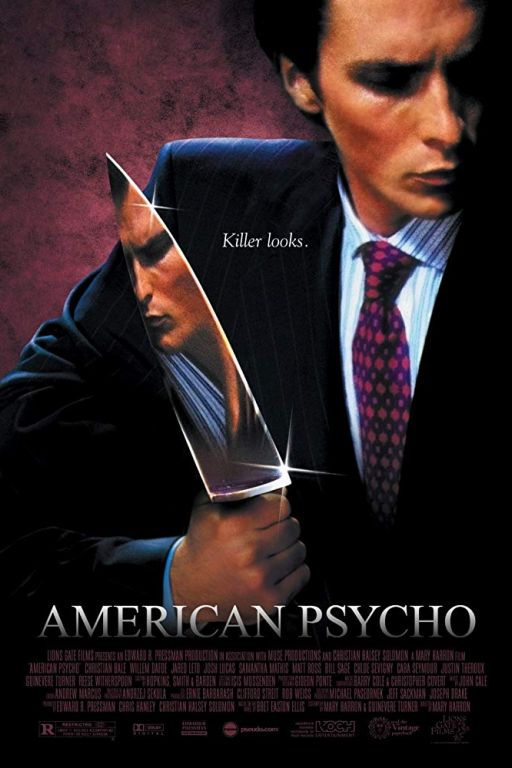
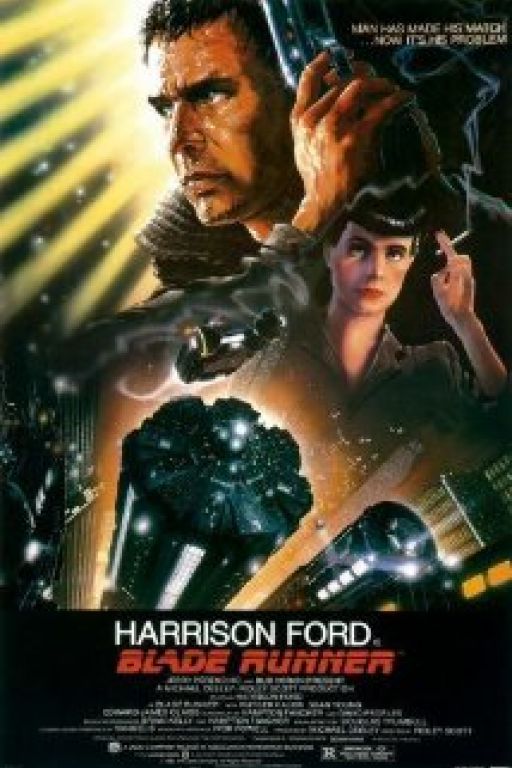
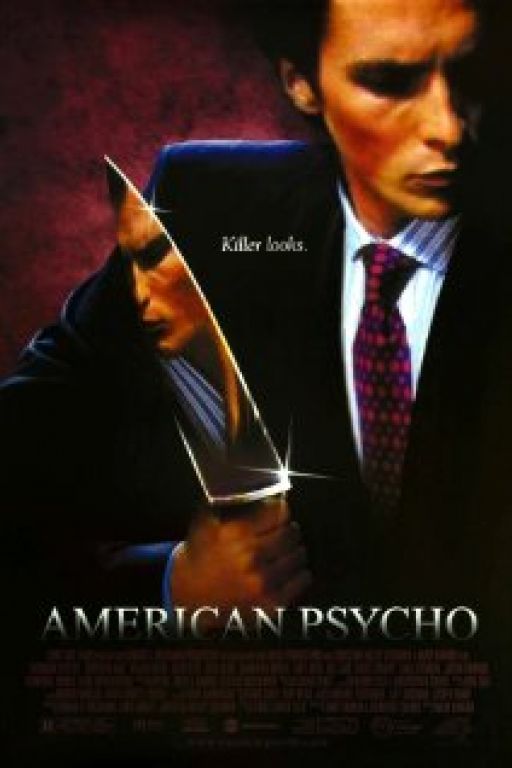
Ein Romanerfolg wird zwangsläufig verfilmt und egal wie dürftig das Ergebnis ist, die Zuschauer wollen es sehen. Im Zweifelsfall reicht ihnen der Vergleich eigener Vorstellungen mit denen des Filmemachers. Die aufgelisteten Literaturverfilmungen sind allesamt modern, also noch aus dem letzten Jahrhundert. Die Schwierigkeiten, einen berühmten Roman zu verfilmen, erfuhr Blake Edwards mit Breakfast at Tiffany´s. Der grösste Unterschied von Roman und Film ist das offene Schicksal Holly Golightlys im Roman versus das Happy Ending des Films. Im Roman ist Holly eine Frau, die mit Männern schläft, um etwas zu verdienen, im Film sieht man das nicht. Entgegen aller Kritik, vor allem der von Truman Capote selbst, ist Edwards Film von ganz eigenem Tonfall. Bittersüss mit der Musik von Henry Mancini, so dass der Film ein Eigenleben entwickelt gegenüber dem düsteren Roman entwickelt. Richard Brooks In Cold Blood bleibt dagegen eng an Capotes Roman und stellt fast dokumentarisch an Originalschauplätzen einen Mord da – genauso authentisch wie die Vorlage. In Fahrenheit 451 übernimmt Truffaut von Bradbury nur die Idee einer bücherlosen Gesellschaft, doch statt einer unmenschlichen Gesellschaft führt er behäbige Kleinbürger vor, die einfach nur funktionieren. Es gibt keine Flucht aus diesem utopischen Staat, die eine andere Zukunft weisen würde. Clockwerk Orange von Stanley Kubrick zeigt in der Verwertung des Films und der Begegnung zahlreicher Vorwürfe das schleichende Zerwürfnis mit dem Autor Burgess. Der sah sich von Kubrick als Pfand der Vermarktung missbraucht, obwohl im Vorspann nur der Name des Regisseurs prunkt. Burgess erste Reaktion war die, dass der Film vielleicht sogar zu brillant sei, was dem Vorwurf der Gewaltverherrlichung gleichkommt. Solaris von Tarkowski nach Stanislaw Lem, zeigt den Konflikt von Selbstüberwindung und der Bedingtheit des eigenen Schicksals. Tarkowski las Lem als philosophischen Roman und kritisierte, dass der begriff SciFi viel zu eng sei. Dennoch war Lem immer unzufrieden mit dem Film und auch Tarkowski distanzierte sich später davon, dass Solaris entgegen seiner eigenen Analyse zu sehr nach Science Fiction aussehe. Moderne Klassiker sind Blade runner, No country for old men, Fear and loathing in Las Vegas und Die Klavierspielerin. Alle Filme schaffen das Unmögliche, eine schwieirge Vorlage überraschend souverän umzusetzen. Philip K. Dicks Romanvorlage für Ridley Scotts Blade Runner geht von seelenlosen Replikanten aus und der Feststellung, dass sich Menschen manchmal wie Maschinen verhalten. Im Film ist es genau umgekehrt, der Reiz entsteht aus den menschlichen Gefühlen der Replikanten. Scotts Film nimmt ausserdem Metroplis und den klassischen Film Noir für sein albtraumhaftes Zukunftsdesign. No country for old men der Coen Brüder nach Cormac McCarthy behandelt die Vorlage voller Respekt und stellt einen unmöglich guten Film dar, eine Beschwörung von Zeit und Raum, der Natur des Menschen und des Schicksals. Fear and loathing in Las Vegas von Terry Gilliam nach Hunter S. Thompson lässt der überbordenden Phantasie Gilliams endlich einmal freien Lauf. Grotesk, bizarr und saukomisch ist das Gilliams bester und geschlossenster Film. Die Klavierspielerin (La Pianiste) von Michael Haneke ist durch und durch österreichisch, nach dem Roman von Elfriede Jelinek, über ihre eigenen Minderwertigkeitsgefühle. Die Klavierspielerin ist mütterlicher Phallus und Ehemann zugleich, „bis das der Tod uns scheidet“. Haneke setzt das mit filmisch eisiger Autorität um und manipuliert den Zuschauer genauso wie bei Funny bones. Literatur und Film als kongeniale Einheit. (Titelbild: American Psycho) - A novel success is inevitably filmed and no matter how poor the result is, the audience wants to see it. In case of doubt, they only need to compare their own ideas with those of the filmmaker. The listed literary adaptations are all modern, from the last century. Blake Edwards experienced the difficulties of filming a famous novel with Breakfast at Tiffany´s. The biggest difference between novel and film is the open fate of Holly Golightly in the novel versus the happy ending of the film. In the novel Holly is a woman who sleeps with men to earn something, in the film you don't see that. Contrary to all criticism, especially that of Truman Capote himself, Edward's film has its very own tone. Bittersweet with the music of Henry Mancini, so that the film develops a life of its own against the dark novel. Richard Brook's In Cold Blood, on the other hand, remains close to Capote's novel and almost documentary depicts a murder in original locations - just as authentic as the original. In Fahrenheit 451, Truffaut takes over Bradbury's idea of a bookless society, but instead of an inhuman society, he presents sedate petty bourgeoisie who simply function. There is no escape from this utopian state that would show another future. Clockwerk Orange by Stanley Kubrick shows in the exploitation of the film and the encounter of numerous accusations the creeping disagreement with the author Burgess. He saw himself abused by Kubrick as a pledge of marketing, although in the opening credits only the name of the director is mentioned. Burgess' first reaction was that the film might even be too brilliant, which is tantamount to accusing him of glorifying violence. Solaris by Tarkowski after Stanislaw Lem shows the conflict between self-conquest and the conditionality of one's own destiny. Tarkovsky read Lem as a philosophical novel and criticized that the term SciFi was far too narrow. Nevertheless, Lem was always dissatisfied with the film and Tarkovsky later distanced himself from the fact that Solaris, contrary to his own analysis, looked too much like science fiction. Modern classics are Blade runner, No country for old men, Fear and loathing in Las Vegas and Die Klavierspielerin. All of the films create the impossible, a difficult model surprisingly sovereign to implement. Philip K. Dick's novel for Ridley Scott's Blade Runner is based on soulless replicants and the observation that people sometimes behave like machines. In the film it's exactly the other way round, the appeal arises from the human feelings of the replicants. Scott's film also takes Metroplis and the classic film Noir for its nightmarish future design. No country for old men by the Coen brothers after Cormac McCarthy treats the original with respect and represents an impossibly good film, an incantation of time and space, the nature of man and destiny. Fear and loathing in Las Vegas from Terry Gilliam to Hunter S. Thompson finally lets Gilliam's exuberant imagination run wild. Grotesque, bizarre and hilarious is Gilliam's best and most closed film. The piano player (La Pianiste) by Michael Haneke is thoroughly Austrian, based on the novel by Elfriede Jelinek, about her own feelings of inferiority. The piano player is motherly phallus and husband at the same time, "until death do us part". Haneke implements this with icy cinematic authority and manipulates the viewer just as she does with Funny Bones. Literature and film as a congenial unity. (cover picture: American Psycho)
Di, 06/08/2013 - 14:34

Werde Teil der Community
Schreibe Kommentare, vote für Deine Favoriten oder sende uns Deinen Film-Vorschlag.