

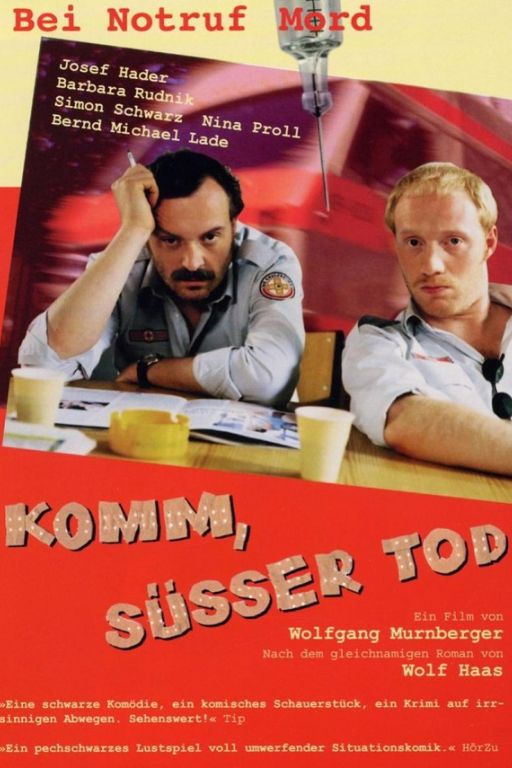
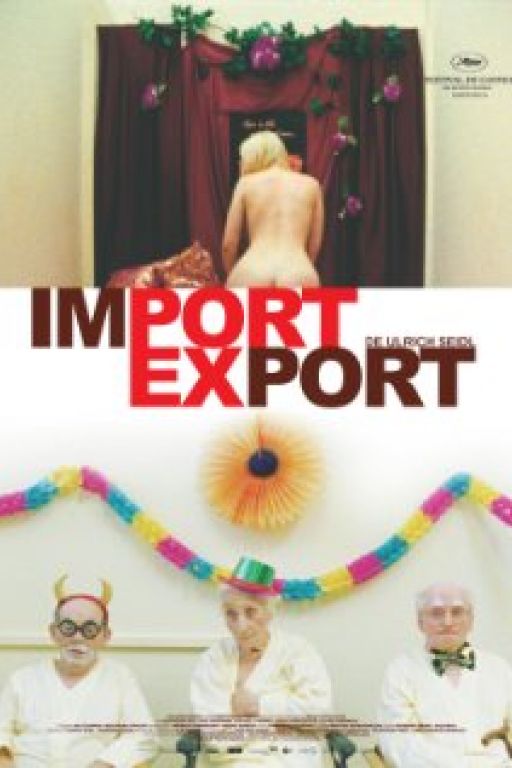
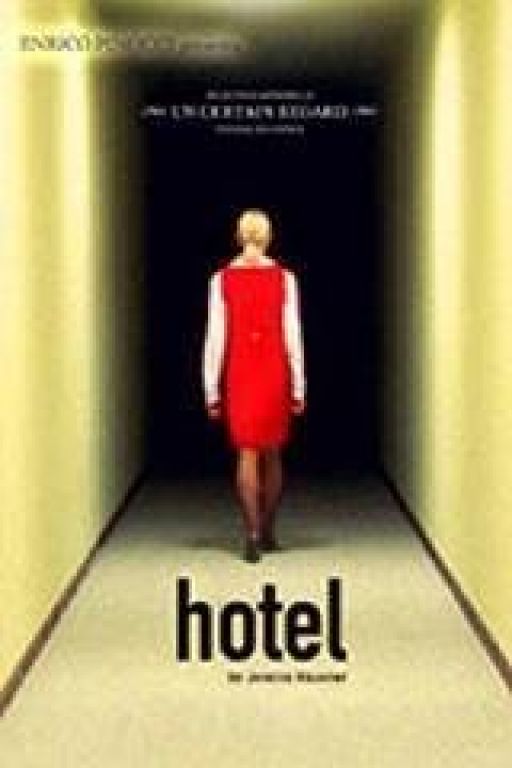
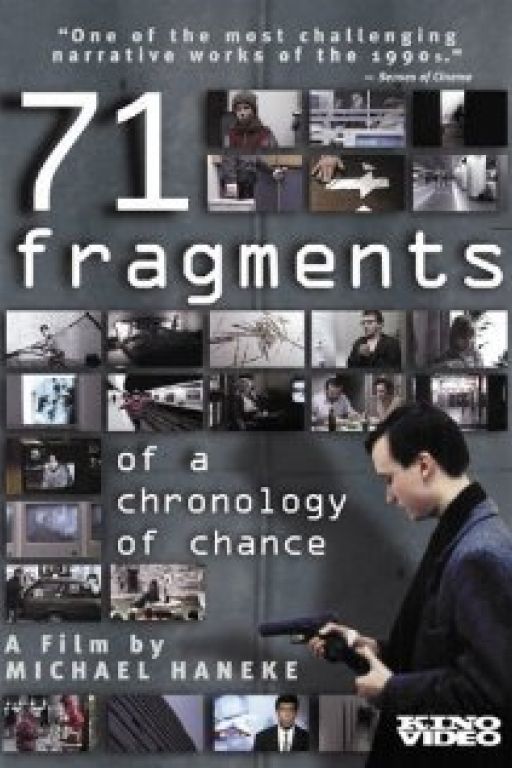
Das österreichische Kino ist schon sehr eigen, vielen Filmen liegt die Chaostheorie zugrunde, der österreichische Film liebt das Abweichende und Groteske. Zufall und Metaphysik sind nicht zuletzt durch grosse Vorbilder wie Michael Hanekes 71 Fragmente einer Chronologie des Zufalls oder Barbara Alberts Böse Zellen ein Thema. Antonin Svobodas Spiele leben ist das Portrait eines Spielsüchtigen mit einer Amour fou zu einem drogensüchtigen Mädchen, die zum Roulette wird. Antares von Göz Spielmann ist nicht nur einer der besten österreichischen Filme der letzten Jahre, sondern zeigt auch beispielhaft die Durchlässigkeit eines geschlossenen Systems, dargestellt anhand einer Wiener Hochhaus Siedlung. Drei ineinander verschachtelte Episoden mit Sex, mal verkrampft, gewalttätig, dann verstörend. Jessica Hausners Hotel ist ein Essay über das Unheimliche, das die Nähe sucht zu Kubricks Shining und auch in Ulrich Seidls Hundstage geht es um Abgründe: Bei ihm wird das Konsumparadies eines Einkaufszentrums zum Vorhof der Hölle. Die alten und jungen Filmemacher lieben den drastischen Blick auf ihr Land, sie bestätigen das Vorurteil, die Österreicher hätten einen Faible für Tod und Selbstzerfleischung. Beiläufig wird auch gerne zum Thema Migration Stellung bezogen und schlägt drein auf den Kleinbürger. Irgendwo erinnert der moderne österreichische Film an die kommunistischen deutschen Filme wie Kuhle Wampe aus den 30er Jahren. Eine grosse Affinität hat der österreichische Film zum Neorealismus und wirkt darin sehr souverän. Michael Haneke schuf mit 71 Fragmente einer Chronologie des Zufalls so etwas wie die Gründungsakte des österreichischen Films: Episodisches loses Erzählen, die Mikrodramatik der Szenen und eine latente Gewaltbereitschaft. Seit Haneke und Seidl ihre Karriere begannen, stiessen auffällig viele weibliche Regisseurinnen in den erlesenen Kreis. Der österreichische Film wurde dadurch erotischer etwa in Jessica Hausners Lovely Rita, Barbara Alberts Nordrand und auch Böse Zellen (vgl. epd 4/04, S. 10f.) Der Film Kotsch ist symptomatisch für den österreichischen Film insgesamt, voll tiefer Tristesse, die das Kino des Alpenlandes derzeit durchzieht. Kotsch ist Kino als Pathologie einer Nation, voller Hassliebe zum eigenen Land. Österreichisches Kino ist deshalb auch das Kino des Kotzens, man kann darauf warten, dass in einem österreichischen Film gekotzt wird! - Austrian cinema is already very peculiar, many films are based on chaos theory, Austrian film loves the deviant and the grotesque. Chance and metaphysics are a theme, not least due to great role models such as Michael Hanekes' 71 fragments of a chronology of chance or Barbara Albert's Evil Cells. Antonin Svoboda's Games Live is the portrait of a gambling addict with an amour fou to a drug-addicted girl who turns into roulette. Antares von Göz Spielmann is not only one of the best Austrian films of recent years, but also exemplarily shows the permeability of a closed system, represented by a Viennese skyscraper settlement. Three interlaced episodes with sex, sometimes cramped, violent, then disturbing. Jessica Hausner's Hotel is an essay about the uncanny that seeks closeness to Kubrick's Shining and Ulrich Seidl's Dog Days are also about abysses: With him, the consumer paradise of a shopping centre becomes the forecourt of hell. The old and young filmmakers love the drastic view of their country, they confirm the prejudice that the Austrians have a soft spot for death and self-destruction. In passing, they also like to take a stand on the subject of migration and strike at the petty bourgeois. Somewhere the modern Austrian film reminds one of the communist German films like Kuhle Wampe from the 1930s. The Austrian film has a great affinity to neorealism and seems very sovereign in it. With 71 fragments of a chronology of chance, Michael Haneke created something like the founding acts of Austrian film: episodic loose narration, the microdramatics of the scenes and a latent propensity to violence. Since Haneke and Seidl began their careers, a striking number of female directors have joined the select circle. The Austrian film thus became more erotic, for example in Jessica Hausner's Lovely Rita, Barbara Albert's Nordrand and also Evil Cells (cf. epd 4/04, p. 10f.). The film Kotsch is symptomatic of the Austrian film as a whole, full of deep dreariness that is currently pervading the cinema of the Alpine country. Kotsch is cinema as the pathology of a nation, full of hatred for one's own country. Austrian cinema is therefore also the cinema of vomiting, one can wait for an Austrian film to vomit!
Do, 08/08/2013 - 20:06




Werde Teil der Community
Schreibe Kommentare, vote für Deine Favoriten oder sende uns Deinen Film-Vorschlag.