

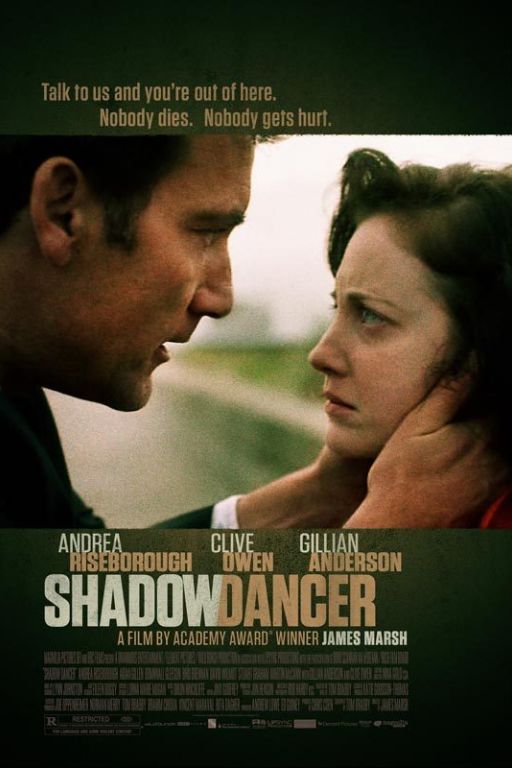
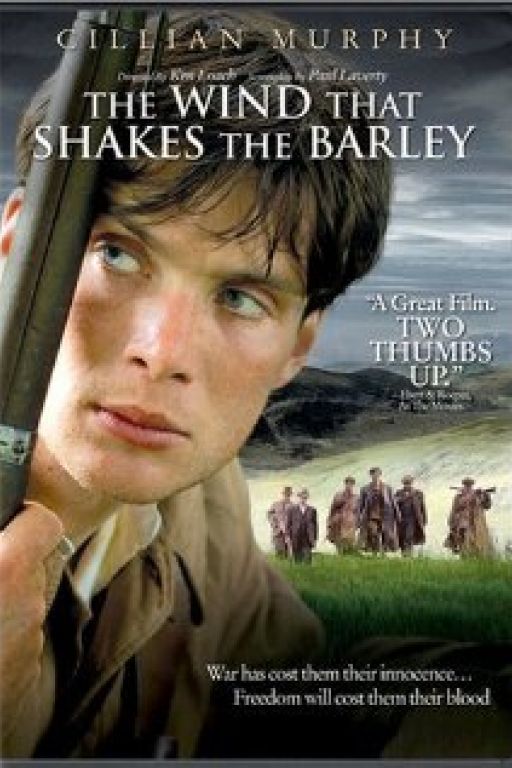
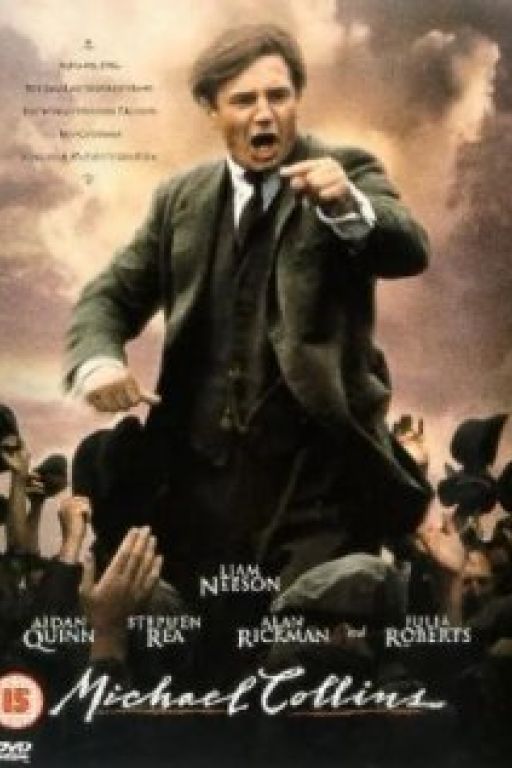
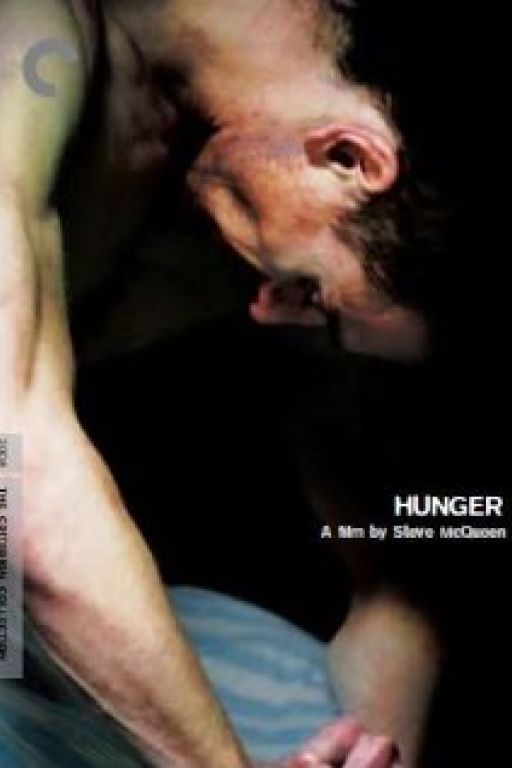
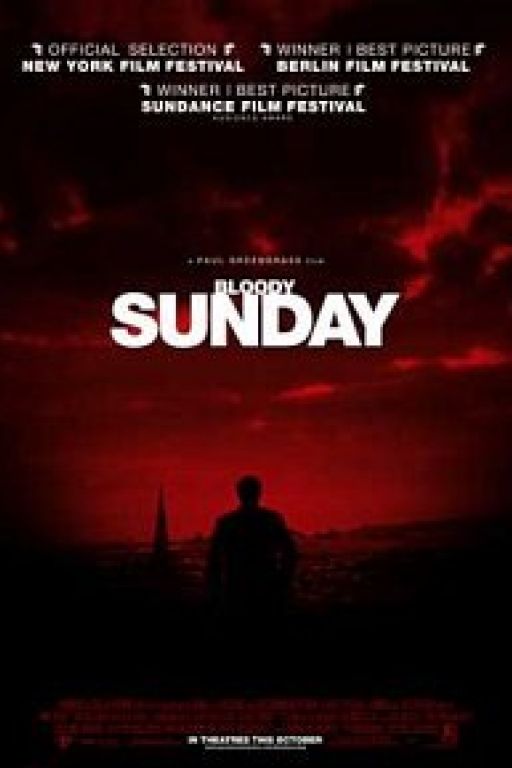
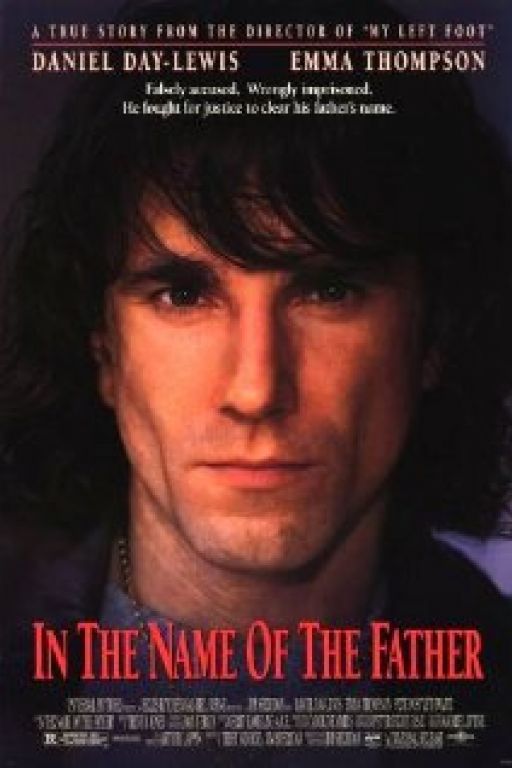
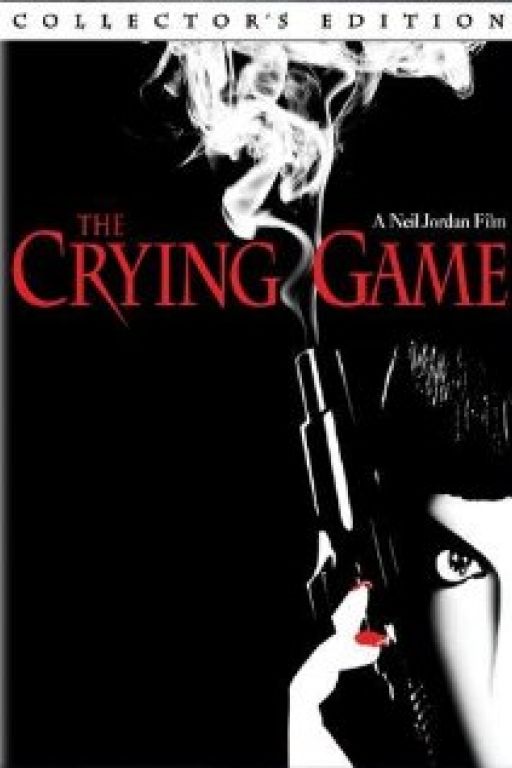
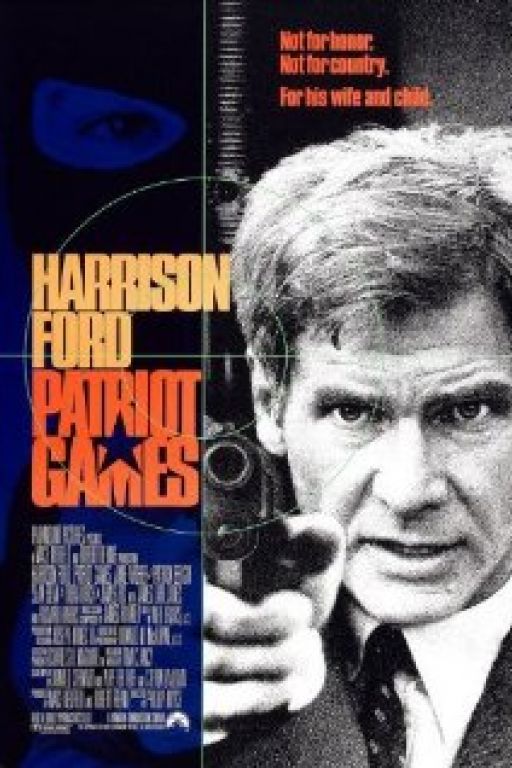
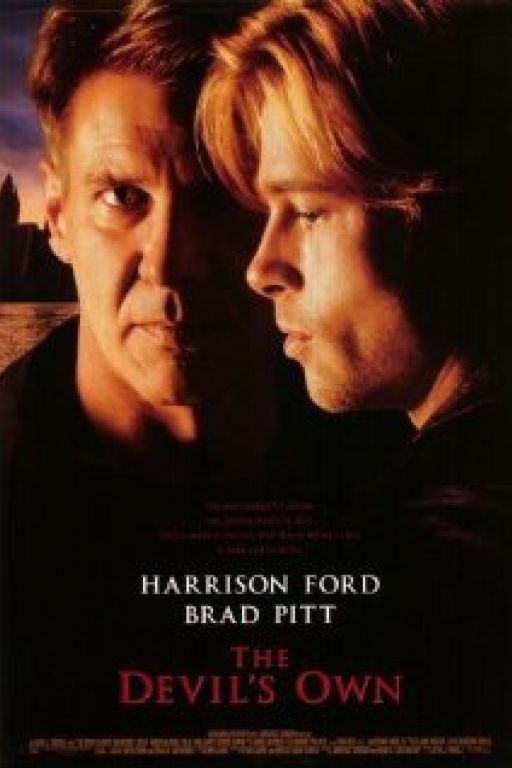
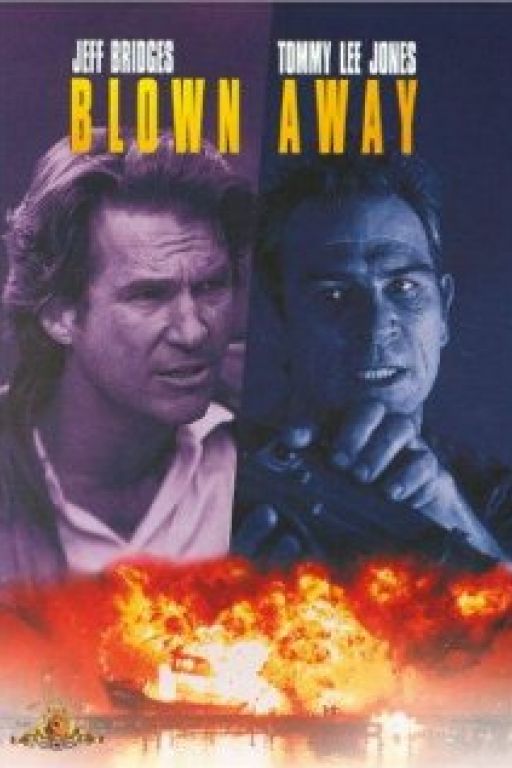
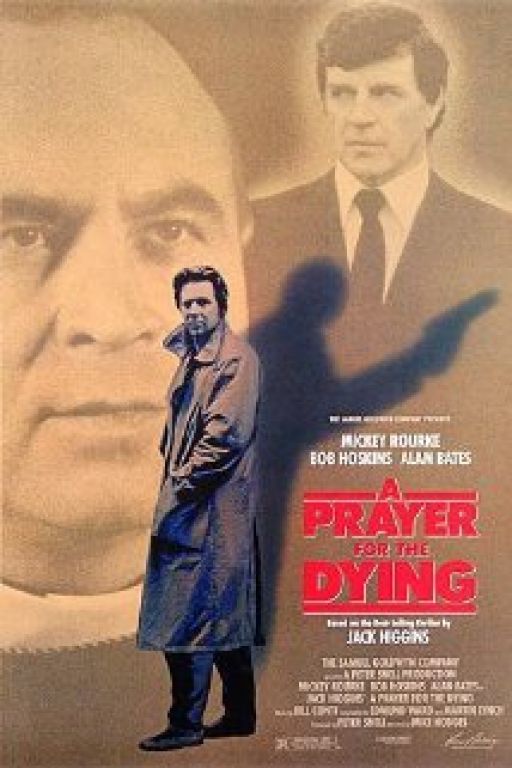
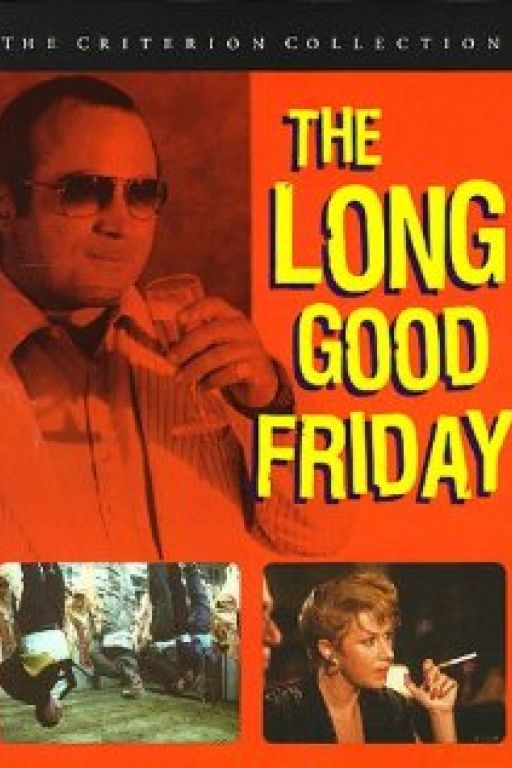
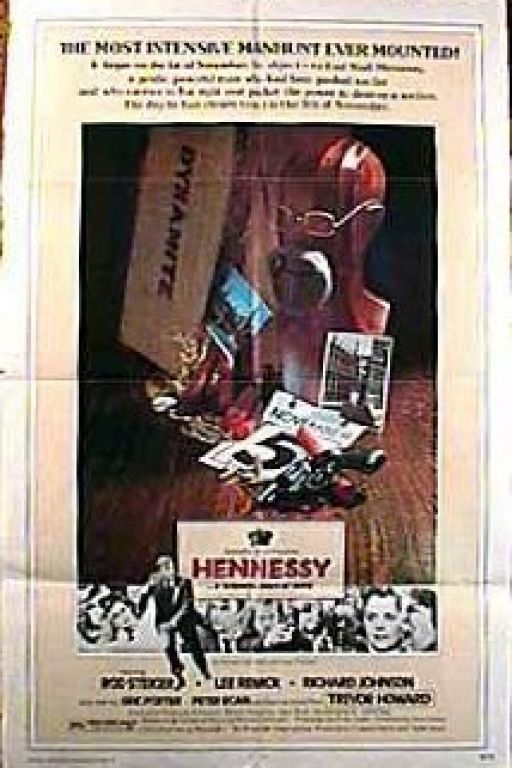
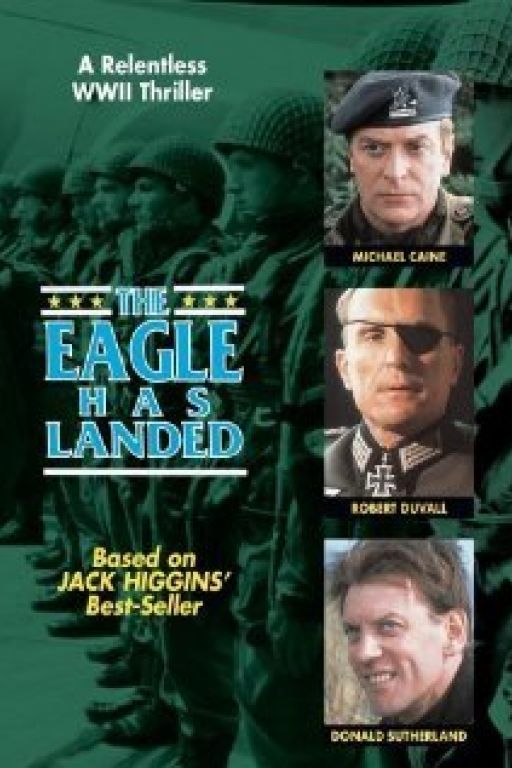
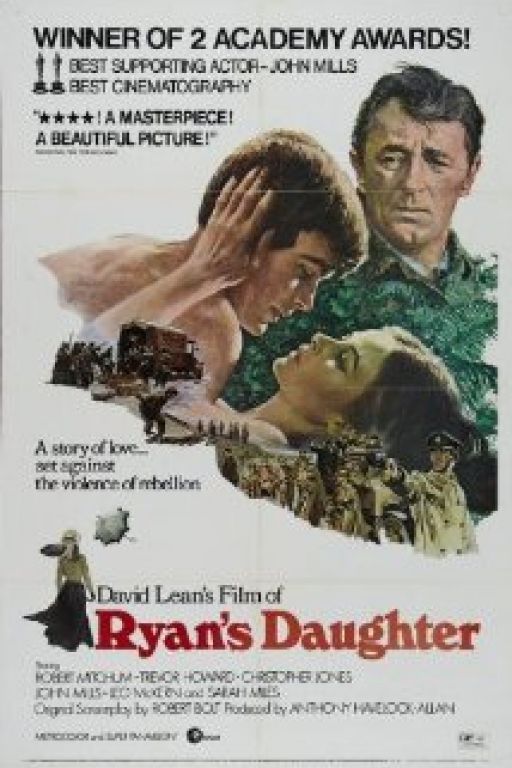
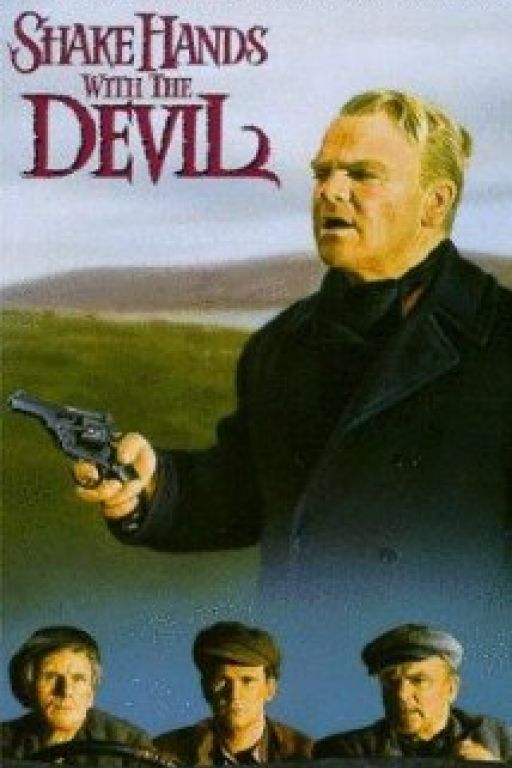
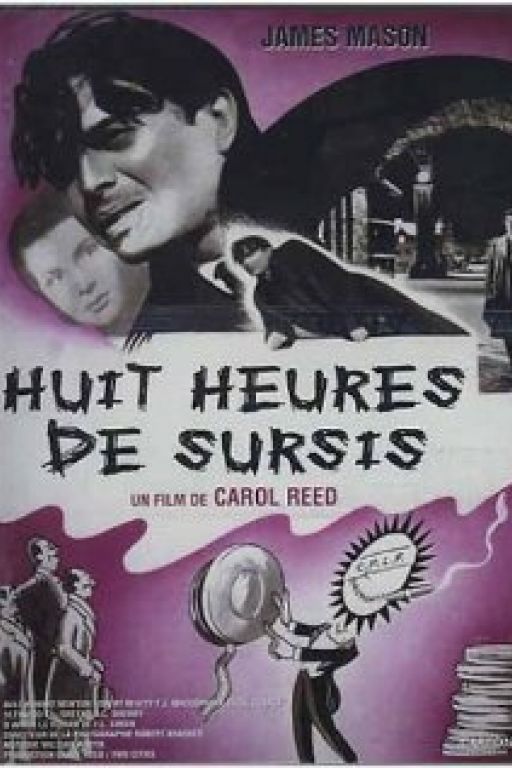
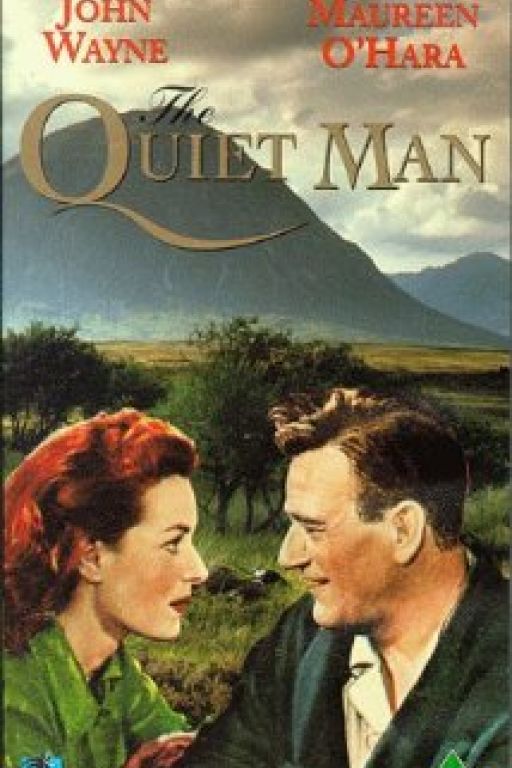
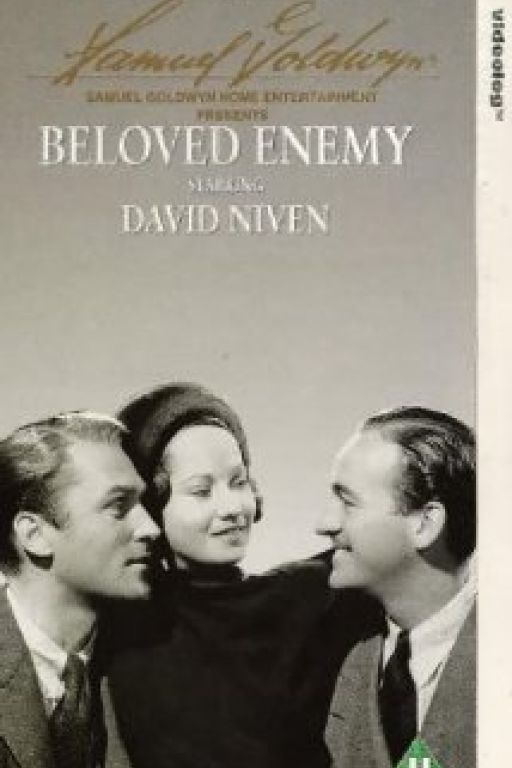
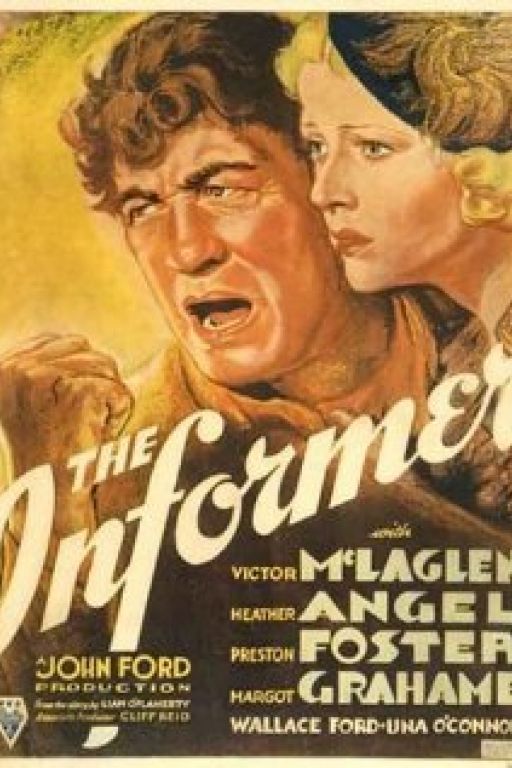
Das Kino hat eine klare Vorstellung der Rollen: Hier der fanatisch brutale Täter, dort das unschuldige Opfer. Es gibt zwei Arten von Helden, hier die aufrechten Zivilisten, die sich dem Terror stellen, und dort diejenigen, die mit gleicher Wut zurückschlagen. Je näher man einem terroristischen Zusammenhang kommt, desto schlechter lassen sich allerdings diese Schablonen aufrecht erhalten. Aus der Nähe wird aus dem Terroristen ein Nachbar, der sich irgendwann entschlossen hat, gegeneinander und nicht mehr miteinander zu wirken. Der Konflikt zwischen England und Irland hat eine lange Geschichte von Terror und Gegenterror, obwohl so nahe, wirkt das alles doch merkwürdig fern für uns. Ist es ein religiöser, ein politischer oder ein ökonomischer Konflikt? Irgendwann verschwammen die Grenzen der Moral, des Feindes und einem selbst. Die lange Geschichte des Konflikts zeigt sich auch im Kino. The informer von 1929 beschäftigt sich mit dem Nordirland Konflikt, die Version von 1935 von John Ford ist einigen vielleicht sogar noch bekannt. Beloved enemy bebildert 1936 den reinen Volkshelden Michael Collins, John Ford sah in The quiet man ein Paradies hinter dem Konflikt. Carol Reed nahm das Motiv im britischen Film 1947 wieder auf, Odd man out zeigt die menschliche Entfremdung im Nordorland Konflikt. Hier konnte es keine reinen Helden geben, nur die Odyssee eines verletzten Mannes. 1959 versuchte Shake hands with the devil die Mechanismen der Verstrickungen nüchterner zu beschreiben, in David Leans Ryan´s daughter (1970) wird der Krieg als dagegen als historisches Panorama bebildert. John Sturges The eagle has landed (1976) zeigt den Nordirland Krieg als Nebenschaupltz. Hennessy (1975) funktioniert als Rachegeschichte eines an sich friedfertigen Mannes, The long good Friday (19809 ist wohl der erste britische Film, der sich mit der Gegenwart des Terrors auseinandersetzt (und diese zu einem fulminanten Thriller verknappt!). A prayer for the dying (Auf den Schwingen des Todes, 1988) war der erfolgreichste Film zum Thema über einen einsamen zum Tode geweihten Mann (Mickey Rourke), der bei einem Anschlag seine Menschlichkeit entdeckt. Ein neues Mittel im Kampf war der Hungerstreik, den man in Hostage (1984) sieht. In den 90ern ging es vor allem um das Motiv der Versöhnung, so in Blown away und Alan J. Pakulas The devil´s own (Vertrauter Feind, 1997). Die IRA war zur Metapher eines globalen Misstrauens geworden. In Patriot games (Die Stunde der Patrioten, 1992) konnte es einfach jeden treffen, in Neil Jordans The crying game (1992) entwickelt ein Entführer eine sehr persönliche Beziehung zur Geisel. Jordans Films wurde in England zum Desaster, weil niemand Sympathie für ein IRA Mitglied aufbringen wollte (im Rest der Welt dagegen hatte Jordan grossen Erfolg mit seiner Geschichte). In the name of the father (1993) von Jim Sheridan dagegen zeigt einen unschuldig Angeklagten, der eben nicht Mitglied der IRA ist. Neue filmische Anklagen wie Bloody Sunday (2002) von Paul Greengrass und Hunger (2008) von Steve McQueen wurden erst ein Jahrzehnt später wieder angestrengt. Die neueren Filme sind rauher und unversönlicher. Kehrt sich die Gewalt nun gegen sich selbst? Ist ein würdevoller Sieg möglich? Weder Michael Collins (1996) von Neil Jordan noch The wind that shakes the barley (2006) von Ken loach finden darauf eine Antwort. Es gibt das Richtige schlicht nicht. Mit Shadow dancer (2012) schliesst sich der Kreis, Verrat wird zum einzig möglichen Ausweg. Der Kampf um Menschlichkeit ist verloren, das göttliche Licht, welches noch die Helden von John Ford im Konflikt erblickten, gibt es nicht. - Cinema has a clear idea of roles: Here the fanatically brutal perpetrator, there the innocent victim. There are two kinds of heroes, here the upright civilians who face terror, and there those who strike back with equal rage. The closer one gets to a terrorist context, the more difficult it is to maintain these stencils. At close range, the terrorist becomes a neighbour who at some point has decided to work against each other and no longer against each other. The conflict between England and Ireland has a long history of terror and counter-terrorism, although so close, it all seems strangely distant to us. Is it a religious, political or economic conflict? At some point the boundaries of morality, of the enemy and of yourself became blurred. The long history of conflict can also be seen in the cinema. The informer from 1929 deals with the Northern Ireland conflict, the 1935 version by John Ford is perhaps even familiar to some. In 1936 Beloved enemy illustrated the pure folk hero Michael Collins, John Ford saw in The quiet man a paradise behind the conflict. Carol Reed took up the motif again in the British film 1947, Odd man out shows the human alienation in the Nordorland conflict. In 1959 Shake hands with the devil tried to describe the mechanisms of the entanglements more soberly, in David Lean's Ryan´s daughter (1970) the war is illustrated as a historical panorama. John Sturges's The eagle has landed (1976) shows the Northern Ireland war as a side event. Hennessy (1975) functions as the revenge story of a peaceful man, The long good Friday (19809 is probably the first British film to deal with the present of terror (and to turn it into a brilliant thriller!). A prayer for the dying (1988) was the most successful film on the subject of a lonely man ordained to death (Mickey Rourke) who discovers his humanity at a stroke. A new agent in the fight was the hunger strike seen in Hostage (1984). In the 90s it was mainly about the motif of reconciliation, as in Blown away and Alan J. Pakula's The devil´s own (Vertrauter Feind, 1997). The IRA had become a metaphor for global mistrust. In Patriot games (The Hour of the Patriots, 1992), it just could happen to anyone, in Neil Jordan's The crying game (1992), a kidnapper develops a very personal relationship with the hostage. Jordan's film became a disaster in England because no one wanted to have sympathy for an IRA member (in the rest of the world, Jordan had great success with his story). In the name of the father (1993) by Jim Sheridan shows an innocent defendant who is not a member of the IRA. New film accusations such as Bloody Sunday (2002) by Paul Greengrass and Hunger (2008) by Steve McQueen were not brought forward until a decade later. The newer films are rougher and more inexhaustible. Is the violence now turning against itself? Is a dignified victory possible? Neither Michael Collins (1996) by Neil Jordan nor The wind that shakes the barley (2006) by Ken loach find an answer. There is simply no such thing as the right thing. With Shadow dancer (2012) the circle closes, betrayal becomes the only possible way out. The fight for humanity is lost, the divine light that John Ford's heroes saw in the conflict does not exist.
Filme in der Liste
Kommentare
Eure letzten Kommentare
Eine sehr interessante und
Eine sehr interessante und nahezu vollständige Arbeit
- Anmelden oder Registieren, um Kommentare verfassen zu können
Werde Teil der Community
Schreibe Kommentare, vote für Deine Favoriten oder sende uns Deinen Film-Vorschlag.